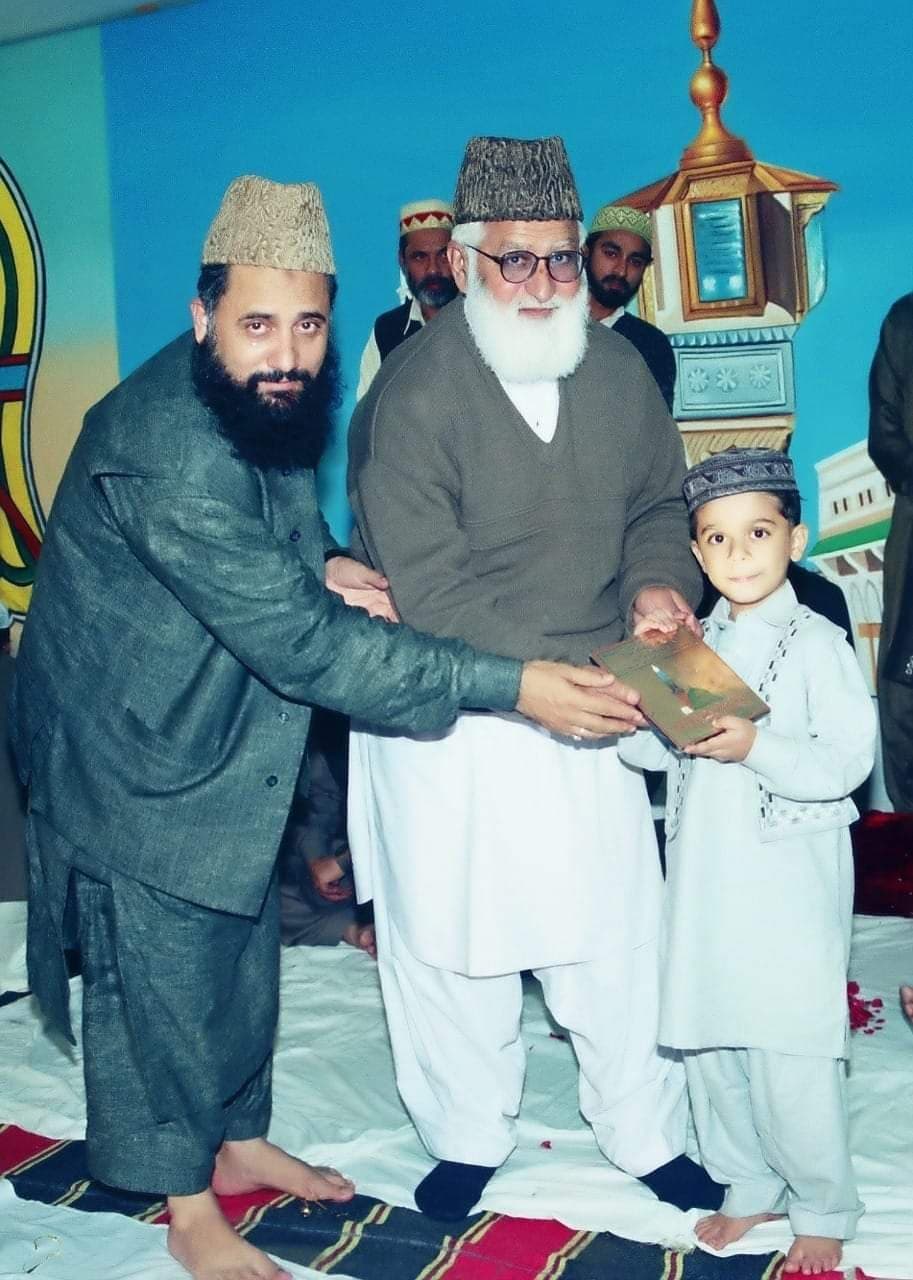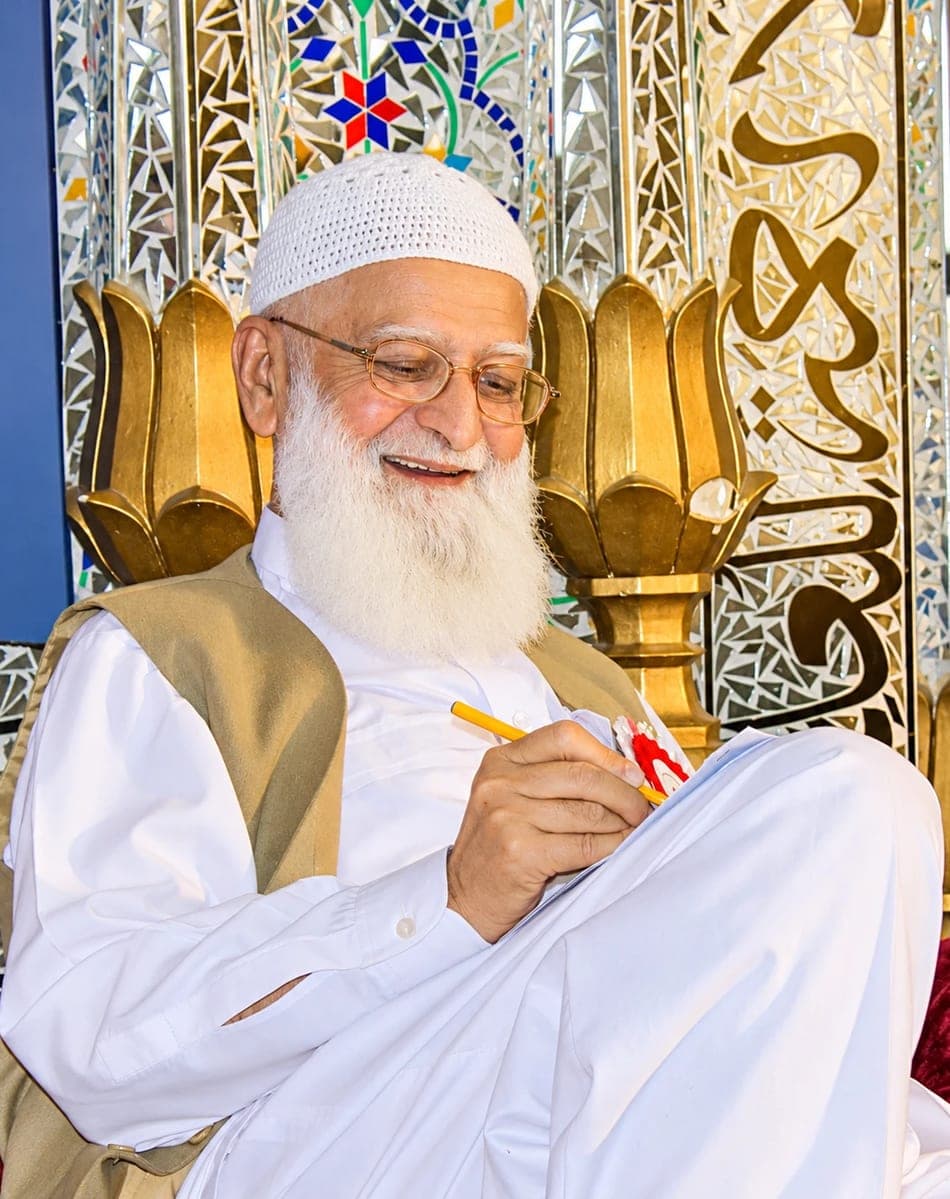
Biography

A life devoted to researching Hazrat Sultan Bahu (RA)

Prof. Dr. Sultan Altaf Ali has devoted his scholarly life to the study of Hazrat Sultan Bahu (RA). His work brings together research on the life and teachings, examination of the writings, and Urdu translation and commentary.

Research begins
1958
Abyat translation
1975
Doctorate
1987
Years in education
32
Prof. Dr. Sultan Altaf Ali

Scholarship at a glance

Central research
Life, writings and thought of Hazrat Sultan Bahu (RA)
Languages of work
Urdu, Persian, Saraiki and English
Doctorate
Persian Literature, University of the Punjab, Lahore, 1987
Academic service
Education Service of Balochistan, 1968–2000
Publication record
46 publication entries and 89 articles in the professional résumé
Publishing
Director, Bahu Publications, since 2005

For Prof. Dr. Sultan Altaf Ali, the study of Hazrat Sultan Bahu (RA) grew from a family connection into a lifelong scholarly undertaking. He approached the subject through historical research, the study of manuscripts, and close attention to Persian prose and Saraiki verse.

His work asks how the texts can be read accurately and their meanings explained to Urdu readers. The result is a body of translations, commentaries and research that includes Abyat-e-Bahu, Divan-e-Bahu, Risala Rohi and Mirat-e-Sultani. His wider writing on Sufism, Persian literature and Iqbal forms another part of this academic life.
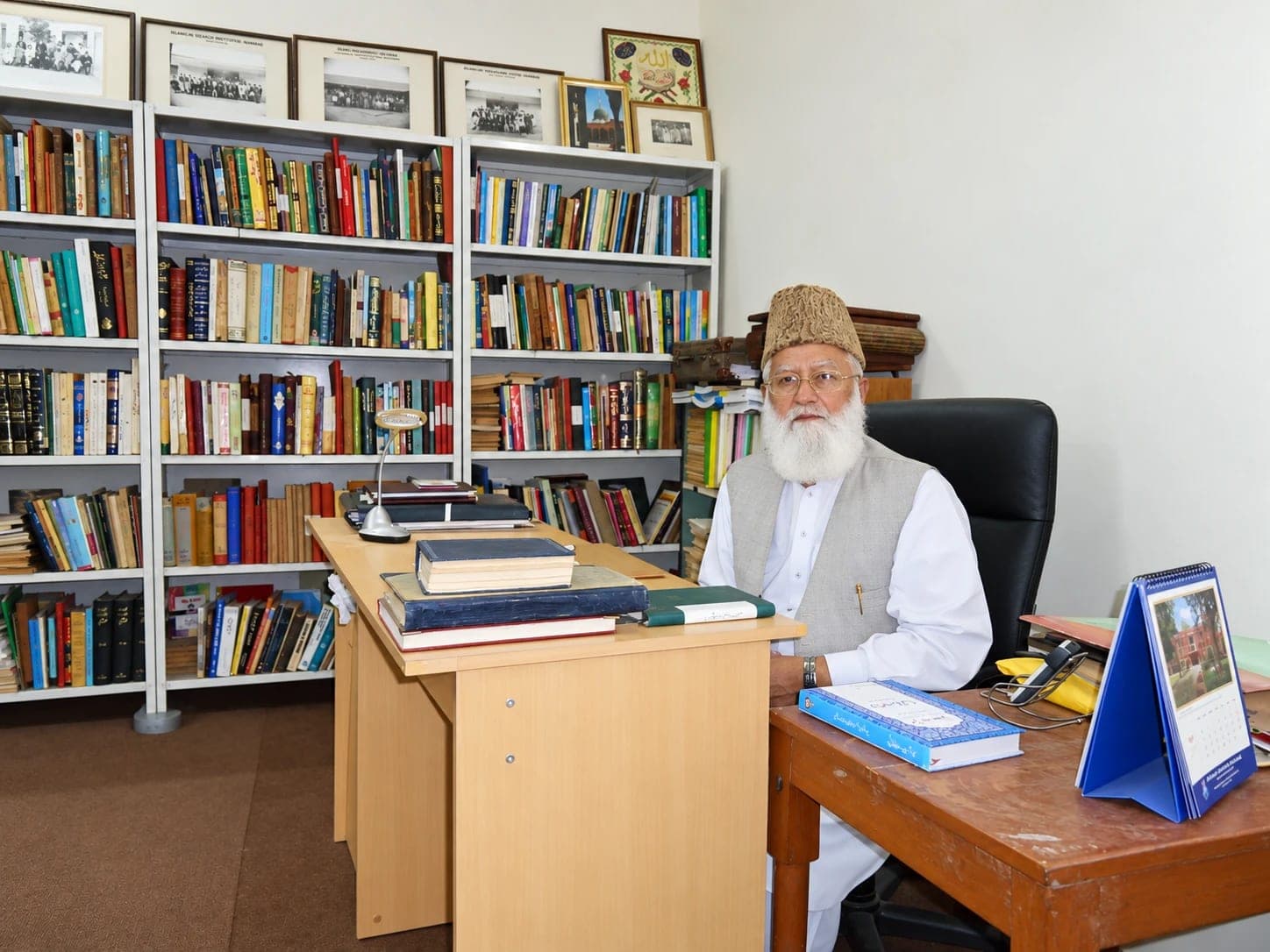
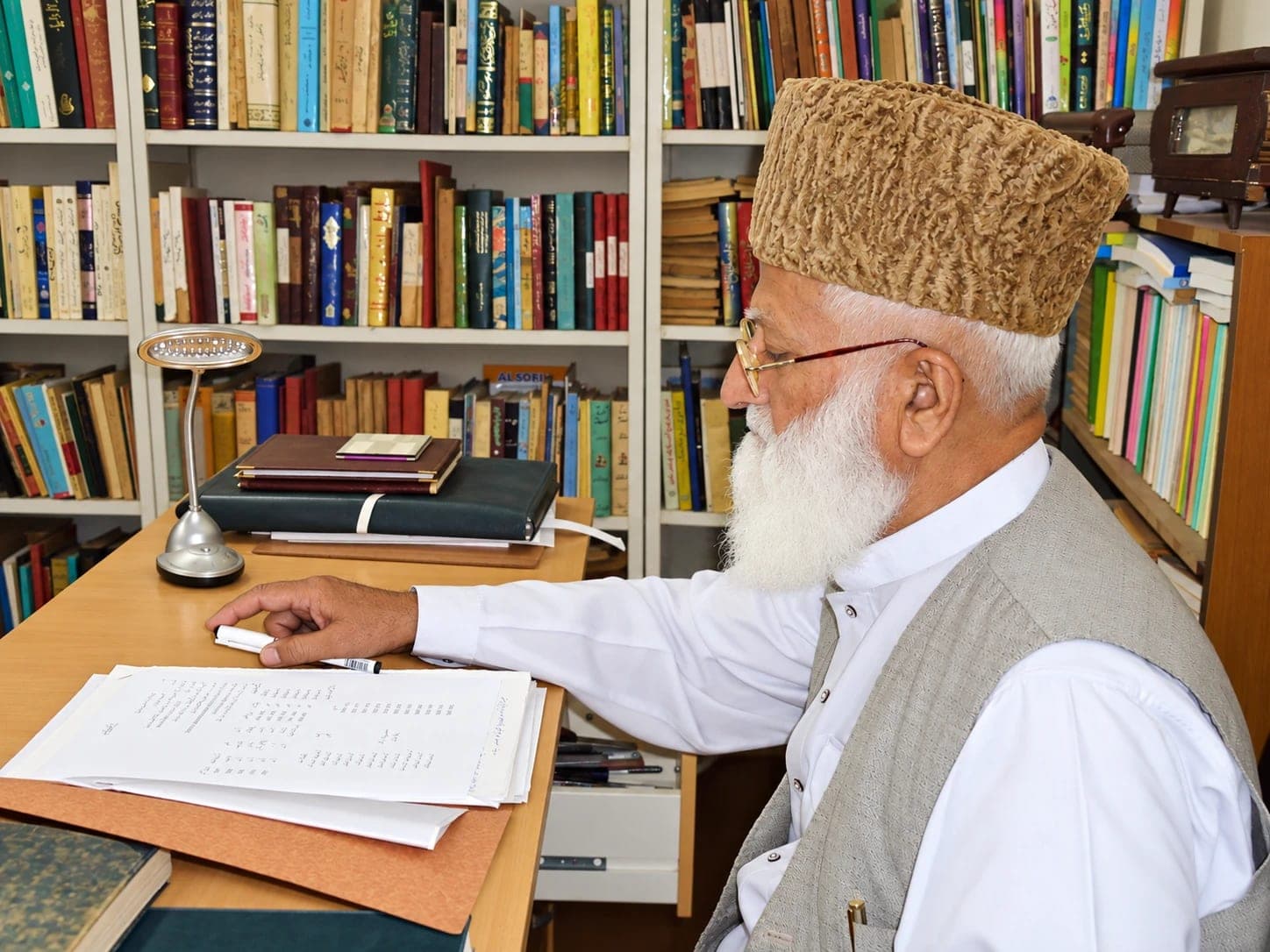
A family connection to Hazrat Sultan Bahu (RA)

Born in 1938 at the Darbar of Hazrat Sultan Bahu (RA) in Jhang district, Punjab, Prof. Dr. Sultan Altaf Ali belongs to the Awan family described in Qaisar Bhatti's study as connected to Hazrat Sultan Bahu (RA) in the ninth generation.

His father, Sultan Muhammad Nawaz, was a Sufi scholar and poet. He died when his son was forty days old. Much of the responsibility for the young child's upbringing and education fell to his elder brother, Pir Ghulam Dastgir Qadri, known as Fakhr-e-Kashmir. The family account names his mother as Khadija Bibi.

His early education included the Qur'an and Persian. He later studied at F.C. College, Lahore, where, by his own account, he began paying sustained attention to the life and works of Hazrat Sultan Bahu (RA) in 1958.

Education leading to research on Hazrat Sultan Bahu (RA)

His university qualifications span Persian, law and political science. He earned a B.A. (Honours) in Persian and Arts in 1961, an LL.B. in 1963, an M.A. in Political Science in 1964 and an M.A. in Persian in 1966. The professional résumé records these degrees under the University of the Punjab, Lahore.

Persian became the principal language of his advanced research. Between 1982 and 1987, he undertook doctoral work on the life, Persian writings and thought of Hazrat Sultan Bahu (RA). The University of the Punjab awarded him a Ph.D. in Persian Literature in 1987. His own account and family testimony describe it as the first doctorate on Hazrat Sultan Bahu (RA) in Pakistan.

  1. 1961B.A. (Honours), Persian and ArtsThe professional résumé records the degree at the University of the Punjab, Lahore.
  2. 1963LL.B.Receives a law degree from the University of the Punjab, Lahore.
  3. 1964M.A. Political ScienceReceives a master’s degree in Political Science from the University of the Punjab, Lahore.
  4. 1966M.A. PersianReceives a master’s degree in Persian from the University of the Punjab, Lahore.
  5. 1987Doctorate on Hazrat Sultan Bahu (RA)The University of the Punjab awards him a Ph.D. in Persian Literature following research on the life, Persian works and thought of Hazrat Sultan Bahu (RA).

Teaching alongside a lifelong research commitment

Prof. Dr. Sultan Altaf Ali entered Balochistan's education service in 1968 and retired on 29 February 2000. Across thirty-two years, he served as a lecturer, professor, principal and academic administrator while continuing his research and translation work.

His appointments included colleges in Fort Sandeman, Mastung, Quetta, Barkhan, Usta Muhammad and Khuzdar, as well as the Government Polytechnic Institute Quetta. He served as Chairman of the Balochistan Textbook Board, and contributed to Persian textbooks for Classes 6–10 between 1989 and 2003. Teaching Persian and working with its texts formed closely related parts of his scholarly life.

Research into the life and writings of Hazrat Sultan Bahu (RA)

His research examines the biography, historical setting, manuscripts and Persian works of Hazrat Sultan Bahu (RA), together with the teachings expressed in the prose and verse. Qaisar Bhatti describes his efforts to locate manuscript material and investigate differences in the transmitted text of the abyat.

This attention to sources continued beyond the doctorate. Research papers, biographical studies and works such as Mirat-e-Sultani and Bahu Shanasi examine different aspects of the same subject. His professional résumé records 46 publication entries, 89 articles and twelve conference or seminar presentations across his wider body of work. These totals describe his overall record, rather than publications on a single subject alone.

Bringing the works of Hazrat Sultan Bahu (RA) into Urdu

The Urdu translation and commentary of Abyat-e-Bahu, first published in 1975, is a central part of this work. His study addresses the text as well as its meaning, helping readers follow the language and teachings of Hazrat Sultan Bahu (RA).

His translations also include Divan-e-Bahu, Risala Rohi, Shams-ul-Aarifeen, Sultan-ul-Wahm, Aurangshahi and Ganj-e-Deen. Qaisar Bhatti's study discusses the clarity and idiomatic quality of his Urdu, and the way translation is supported by explanation.

Beyond this central field, he translated Tareekh Nama Herat, the Persian history by Saif Harvi. The professional résumé records an edition in 1988 and a later edition in 2009. This wider work reflects the same sustained engagement with Persian texts.

Publishing research on Hazrat Sultan Bahu (RA)

Bahu Publications has provided a platform for the publication of his research, translations and commentaries. His professional résumé records his role as director from 2005.

The books and articles brought together on this website offer readers a way to explore that work: to begin with an individual text, follow a research subject, or trace the development of his studies over time.